

Workstyle Working: A New Pathway Into Work for Young People?
Right now, many young people in the UK feel locked out of work.
Applications met with silence.
Or ‘insufficient experience’.
You look at jobs in other cities but cannot afford to move. You start to question your own ability.
But what if the structure of work is changing in ways that create new openings?
Celebrating the Workstyle Awards 2026: Transforming the world of work
Later this year, on Thursday 15th October, we’ll be hosting our annual Workstyle Revolution Awards.
The way most organisations still operate is rooted in industrial-age assumptions: fixed hours, standardised roles, physical presence and managerial oversight as a proxy for productivity. These assumptions are increasingly misaligned with how work actually happens today particularly in knowledge-based, digital and hybrid environments.
As such, the Workstyle Awards are central to showcasing changemakers and inspiring others to adopt more inclusive working practices.
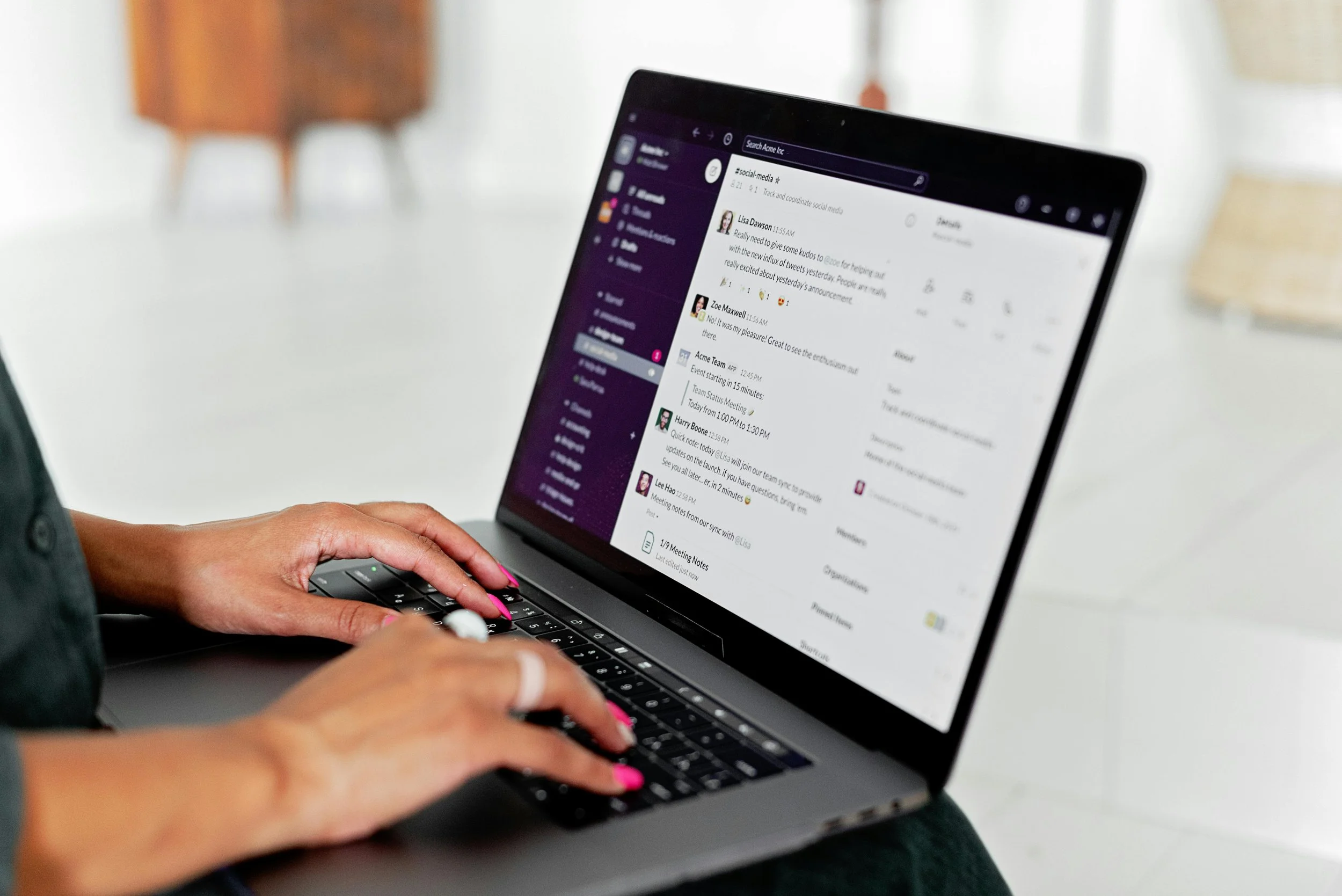
Why Communication Underpins Performance, Trust and Inclusion
Why effective communication is so important in the workplace
Communication has always been the root of what drives progress in the workplace. As the modern world of work has become digitalised, clear communication has become even more paramount. It works when it’s simple, direct and free from complexity.
Great communication breaks down barriers. It solves problems and shapes cultures. But it’s not about what you say that matters most; it’s how you deliver the message. Consider four practical areas: the audience, the message, the moment, and the method. Effective communication in the workplace involves all of these parts working in tandem.
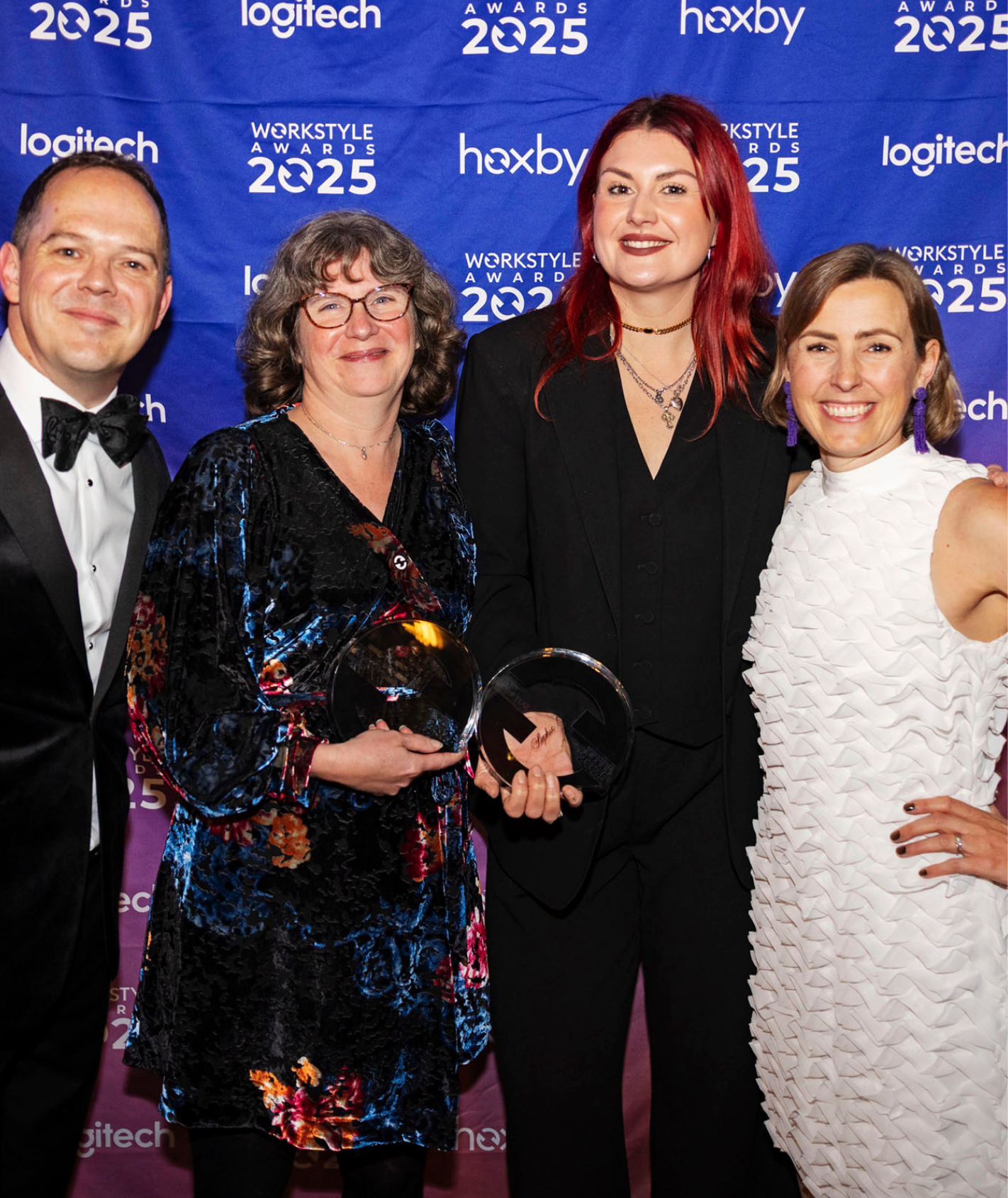
Workstyle As A Modern Way Of Working
Workstyle Revolution CIC exists to create a happier, more fulfilled society through a world of work without bias. We believe this requires more than policy change or standalone inclusion initiatives. It requires a fundamental shift in how work is designed, managed and measured.
The way most organisations still operate is rooted in industrial-age assumptions: fixed hours, standardised roles, physical presence and managerial oversight as a proxy for productivity. These assumptions are increasingly misaligned with how work actually happens today particularly in knowledge-based, digital and hybrid environments.
Adapting to win in the digital age of work.
A call out for organisations to take part in a landmark research study.
With high churn and employee burnout plaguing many sectors and organisations, it is clear that we need to find a better way of doing things. But it can be hard to know where to start.
By signing up your organisation to be part of the new, groundbreaking Workstyle Monitor research project, you will be at the forefront of employee wellbeing and productivity research. You will join a passionate group of people determined to improve the world of work based on quantitative data- not driven by vibes, ego or fear of change.
Workstyle Revolution Named Finalist at the British Diversity Awards
We are delighted to share that Workstyle Revolution CIC has been named a finalist in the Charity or Not-For-Profit of the Year category at the fifth annual British Diversity Awards, proudly headline sponsored by LSEG.
This is a meaningful moment for us and a positive way to begin the year. Being recognised alongside outstanding charities and not-for-profits from across the UK is an honour and a testament to the commitment, care and collaboration that underpin our work.
Beyond the 9 to 5: Why Autonomous Workstyles Matter
A new report written for Workstyle Revolution by PhD student Melanie from the University of Liverpool explores why autonomous workstyles are essential for people who are structurally excluded from the workforce. Produced as part of Melanie’s research placement with us, Beyond the 9 to 5: Why Autonomous Workstyles Are Essential for Structurally Excluded Groups brings fresh academic insight to a challenge we see every day.
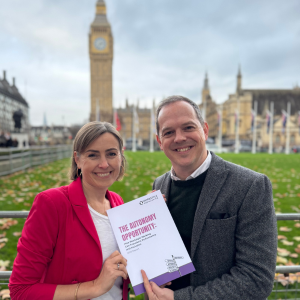
The Autonomy Opportunity: How Workstyle Can Transform Performance and Inclusion
Our latest research report, 'The Autonomy Opportunity' is out, and it’s already igniting meaningful conversations with changemakers!
The report, produced by Workstyle Revolution CIC in collaboration with Ian Burn from the University of Liverpool and PBE (formerly Pro Bono Economics), explores why autonomy is the key to performance, inclusion, and wellbeing in the modern workplace.

Celebrating Workstyle Stories and the Power of Personalised Working
It’s hard to believe that less than a year ago, at a roundtable with Workstyle Ambassadors, we were asking ourselves whether we were ready to launch an Awards ceremony. Could we really pull it off?
Fast forward to October 2025 - and the answer is a resounding yes!

The Inaugural Workstyle Awards
Excitement is building for the inaugural Workstyle Awards which are taking place in London on 14th October 2025. Read on to find out more…
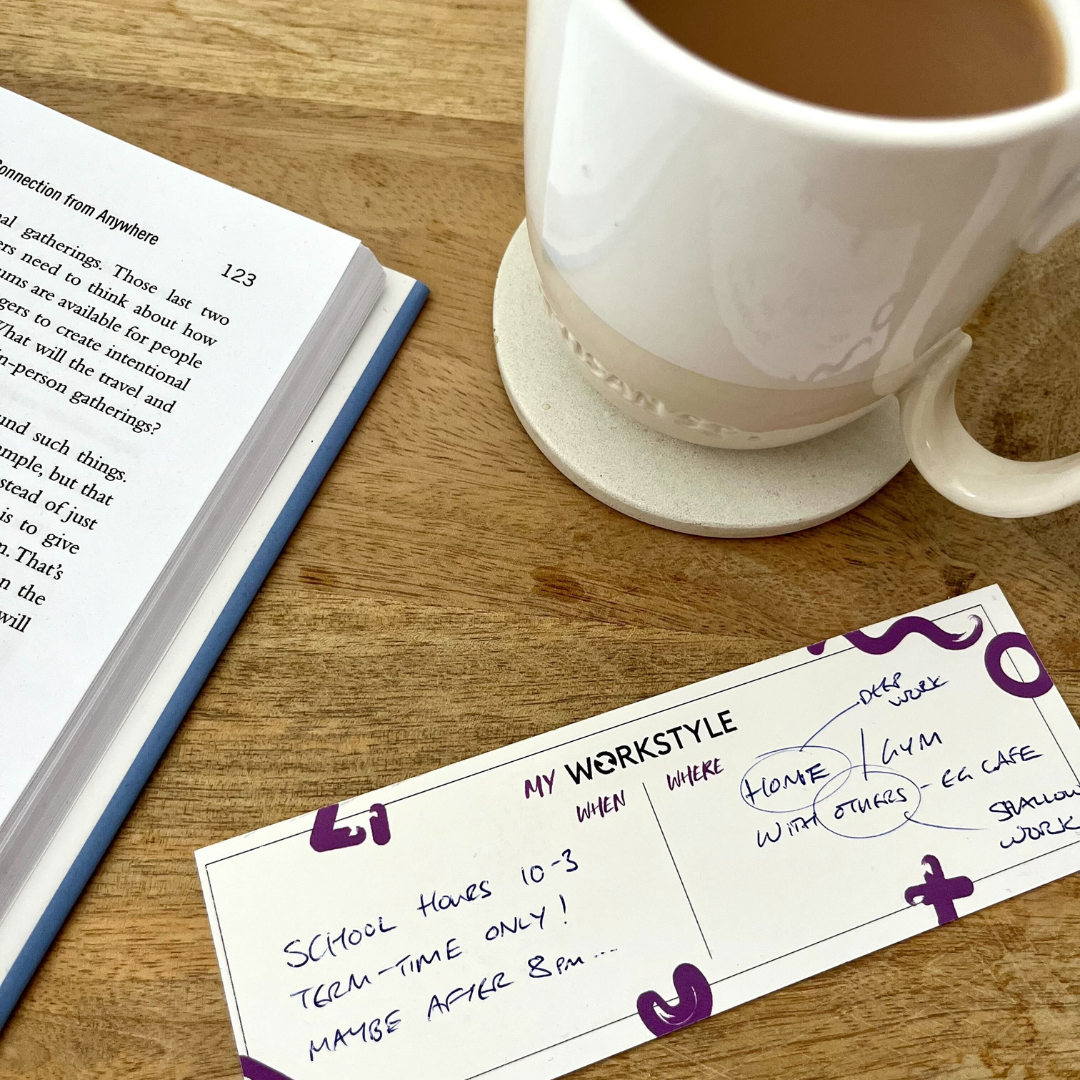
Self-Management: Your secret weapon for meaningful productivity
Ever finished a working day feeling exhausted but can’t quite put your finger on what you accomplished? You’re not alone. In today’s fast-paced world, being busy is easy. Being truly productive? That takes something different: self-management.
Self-management is the workstyle superpower you might not know you have. It’s not about packing more into your already-full schedule. It’s about making every action count, so you’re progressing towards your goals, not just ticking off a never-ending to-do list.

Stuck in a rut? Grow out of it!
Some people in life just seem to fly through challenges, landing success after success as if it was as easy as flicking peas off a table. We all know someone like that, simultaneously admiring and envying their effortless accomplishments while unfavourably comparing our own careers. Why do some people keep growing, while others stay stuck?
They say ‘it’s all in the mind’. Well… as it turns out, there is more than a kernel of truth in that assertion. You see, it’s all about mindset—specifically, a fixed vs. growth one, as defined by Stanford psychologist, Professor Carol Dweck.
But the great news is that you can learn how to develop a growth mindset! So how do you go about it?
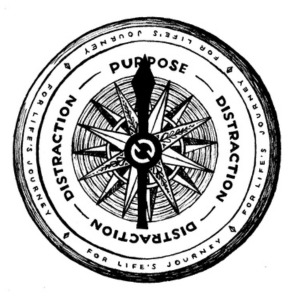
How to find purpose in your work – the core driver of self-motivation
It’s often said that one-third of our lives are dedicated to work. That means we’ll spend nearly 10,000 hours working over our lifetime, which is all the more reason why we should find something that has purpose. For many of us, we’re more self-motivated when the work we’re doing has a genuine impact.

Stuck in the Middle: Why Your Workplace Feels Like a Parent-Teenager Relationship
We’ve all seen it — a workplace where managers feel frustrated, employees feel misunderstood, and progress feels painfully slow. It’s not that people are lazy, or leaders are controlling. It’s that many organisations are stuck in an outdated power dynamic: they’ve outgrown the parent-child model of work but haven’t yet matured into a truly adult-adult culture.
Instead, they’re caught in what I call the parent-teenager dynamic — and neither side is happy.

Dependent vs Independent Workers
In the evolving world of work, one of the biggest differentiators in performance isn’t just skill or experience, it’s independence.
We believe empowering people to work autonomously is one of the fastest ways to unlock motivation, agility, and sustainable team success. But to get there, we first have to understand the difference between dependent and independent workers—and what organisations can do to encourage the latter.

Self-Confidence
Us Workstylers believe confidence isn’t something you either have or don’t have. It’s something you can build, nurture, and strengthen—especially when working independently. Because in an autonomous workstyle, no one else is responsible for building you back up when doubt creeps in. That’s your job. And with the right tools, it’s a job you can absolutely do!

Responsibility or Dependability?
Responsibility to yourself. Dependability to others.
Both are essential—but balancing them is one of the biggest challenges in today’s evolving work culture.
It is a key skill that is required not just for managing personal well-being, but also for building truly sustainable, high-performing teams.

Balancing individualised work with teamwork
When we think of individualised work vs. teamwork, it might be easy to instantly assume that the two are at odds with one another. After all, one is about tailored, specific, specialised work, while the other is about interaction, coordination and cooperation.
How can each person working in isolation on their assigned tasks result in a situation where the sum of the whole is greater than the sum of the parts?
As the famous saying goes, there’s no ‘i’ in ‘team’. Well, here’s how it’s possible:

Individualised vs Personalised Work
Are you a manager advertising a vacancy? Are you waxing lyrical about your organisation’s adaptability and putting its employees first with a fully individualised work style?
If you really mean that, you might be using the wrong terminology...
Launch of the new Workstyle Accredited Coach Training
Part of the workstyle training offering is to provide coaching to support individuals over a given period (usually 6 months) as they live and breathe their workstyle and experience the impact of working in a workstyle way on themselves, their teams and business.
Coaching provides the confidential and safe space, without judgement, to be both encouraged and challenged to deepen your understanding of yourself, what personalised working means to you. This sets you up to manage your autonomy, team-working and ability to excel in a personalised way. Psychological safety is paramount and therefore these sessions are either provided as one-to-one or in pairs of coworkers.
In order to scale this offering, and being mindful that we are always trying to provide more workstyle work for more people, we are setting up a new training programme in order to develop Workstyle Accredited Coaches.